

- English
- Español
- Italiano

PREV
NEXT
-
Corn Starch and Paper Products as Alternatives under Plastic Ban Policy
Sep 18, 2026
With the implementation of global plastic ban policies, single-use plastics are phased out of the market. Corn starch biodegradable tableware and paper products become two major alternatives. Corn starch products feature good heat and water resistance for hot food and takeaway packaging. Paper packaging is cost-effective and easy to recycle for supermarkets and general packaging. These two eco-friendly materials complement each other to reduce white pollution and drive low-carbon transformation
-
Global Nations Accelerate Single-Use Plastic Ban Initiatives to Curb Pollution
Sep 14, 2026
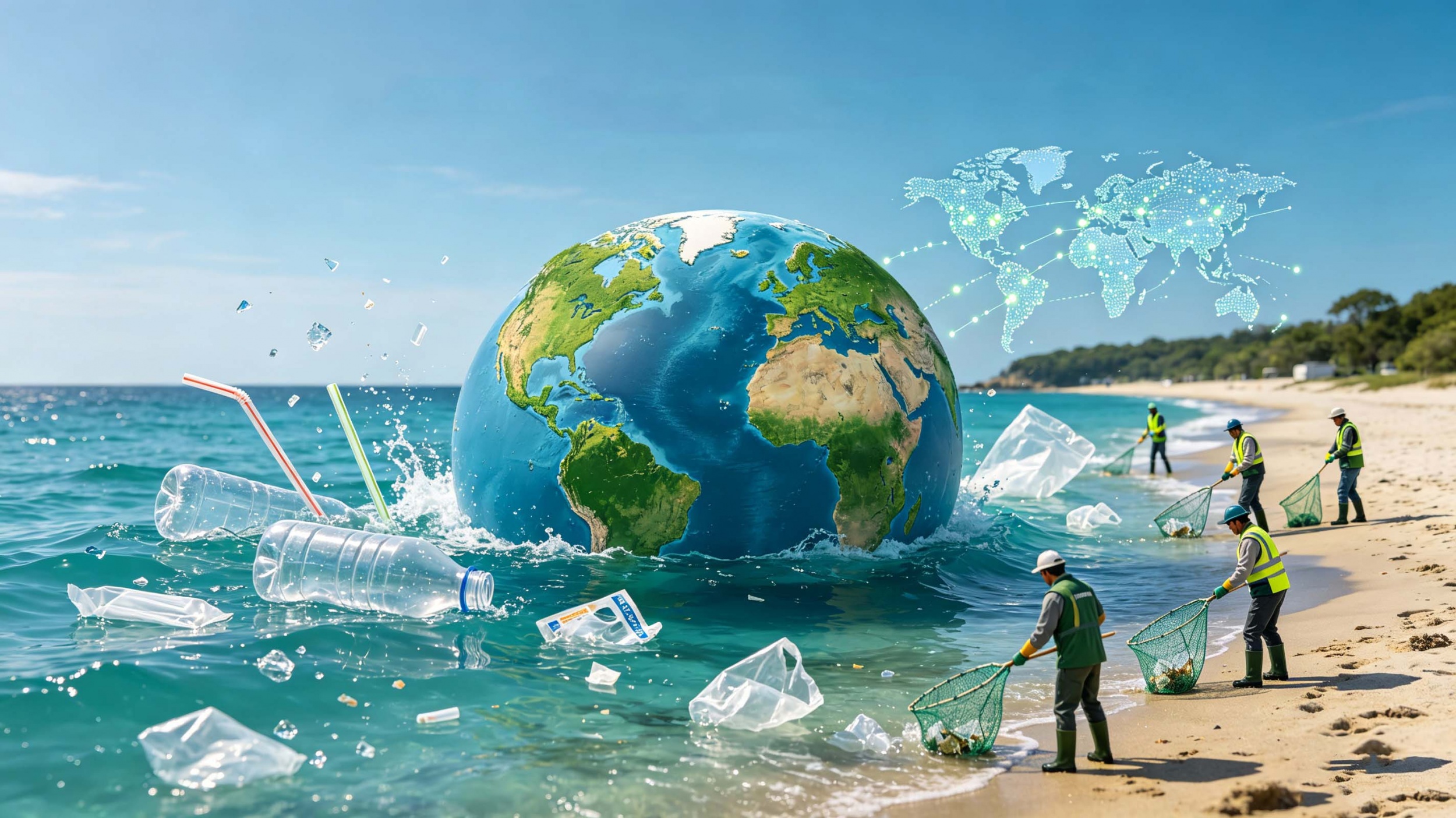
In 2026, countries in Europe, Africa and Asia have introduced stricter phased bans on single-use plastics. This article sorts out the latest plastic restriction policies of the EU, Botswana, Ghana, Georgia and India, and analyzes the global trend of plastic pollution control and the development of eco-friendly alternative materials.
-
Global Sustainable Transition Accelerates, Corn‑starch Disposable Tableware Becomes Mainstream Plastic Substitute
Aug 31, 2026
Driven by global low‑carbon goals and plastic‑restriction policies, corn‑starch disposable tableware is widely adopted as a green alternative to single‑use plastics. Updated material formulas improve heat‑resistant, waterproof and oil‑proof performance. The industry still faces cost and compost‑infrastructure challenges for global market expansion.
-
Corn‑starch Compostable Tableware: A Practical Solution for Global Plastic‑ban Requirements
Aug 29, 2026
More countries are enforcing plastic‑ban legislation for single‑use food contact items. Corn‑starch compostable tableware offers a viable alternative for overseas catering buyers. This article covers material performance, export certification requirements, cost trends and existing industry limitations for global eco‑tableware procurement.
-
Corn-starch Disposable Tableware: 2026 Global Market Growth Report
Aug 26, 2026
Driven by global single-use plastic bans, corn-starch disposable tableware sees explosive growth. It features high temperature resistance, full industrial compostability and low carbon emissions, widely used in catering, takeaway and airline industries. The market maintains double-digit annual growth, with Asian manufacturers expanding production to meet overseas demand.
-
Impacts of Corn-starch Disposable Tableware on Global Disposable Tableware Industry
Aug 24, 2026
This article analyzes the dual impacts of corn-starch-based disposable tableware on the global disposable tableware industry under overseas plastic ban policies, including its positive market effects, material limitations and long-term industry trends.
-
The Development of Green Alternatives Under the Global Plastic Ban Trend — Focusing on Corn-Starch Disposable Tableware
Aug 13, 2026
Against the global plastic‑ban background, various eco‑friendly substitutes for single‑use tableware have emerged overseas, including paper, bagasse, seaweed‑based and PLA products, yet each has obvious limitations. Corn‑starch disposable tableware stands out with renewable raw materials, good biodegradability and stable physical performance. It can degrade into carbon dioxide and water within 30‑90 days, resists high temperature, oil and water, and fits take‑away, catering and outdoor scenarios
-
Cornstarch Disposable Tableware: Ideal Eco Substitute for Single-use Plastics
Aug 04, 2026
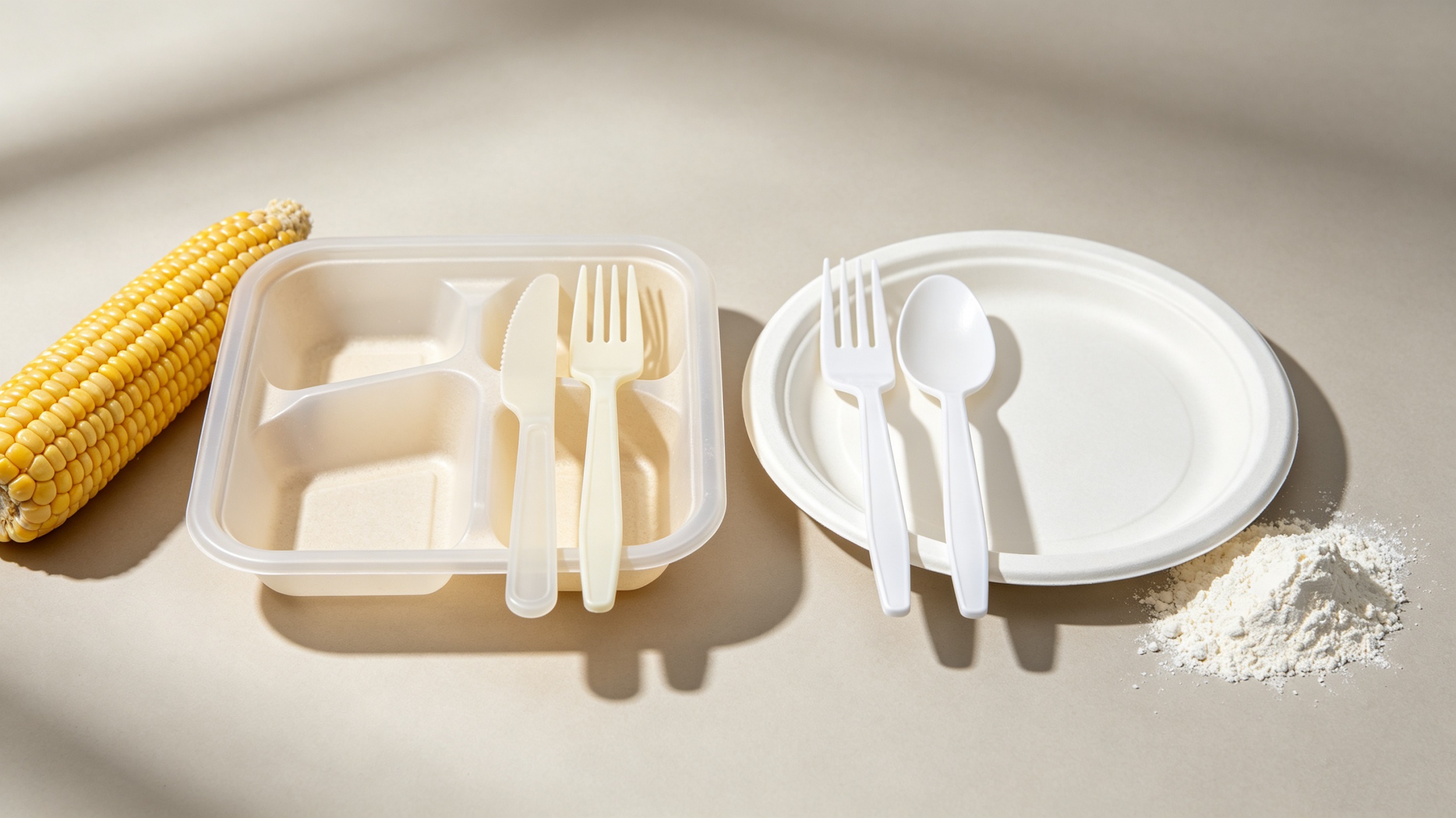
Renewable cornstarch tableware becomes mainstream alternative to plastic cutlery. It meets EN13432 & BPI standards, fully biodegradable under industrial composting. Widely adopted by catering and takeaway industries amid global plastic restriction policies.
-
Cornstarch Tableware VS EPS, PVC & Disposable Plastic Tableware: Eco Advantages & Global Compliance Rules
Jul 29, 2026
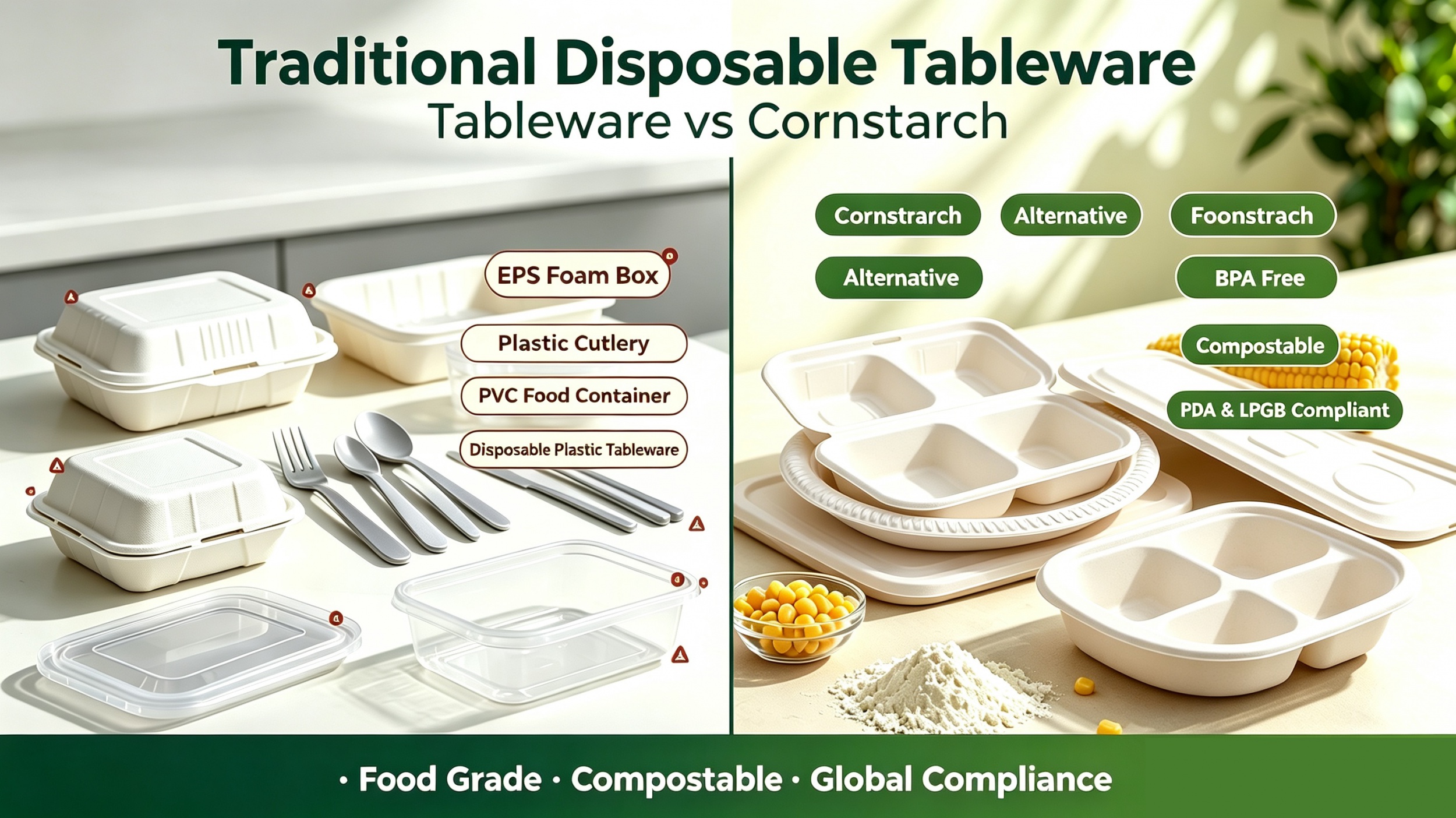
This text compares the defects of EPS foam lunch boxes, PVC food containers and ordinary disposable plastic tableware, elaborates global plastic restriction regulations in EU, USA, China, Southeast Asia, and highlights comprehensive safety, environmental and export advantages of food-grade cornstarch biodegradable tableware.
-
New Trend of Melbourne Catering: Cornstarch Compostable Tableware Becomes the First Compliance Choice Under Victoria Plastic Ban
Jul 27, 2026
Victoria’s 2026 plastic ban is fully implemented in Melbourne. Cornstarch disposable tableware occupies 68% of local eco-packaging market. New periamyl® cornstarch composite can degrade in backyard compost, suitable for cafes, food trucks and takeaway shops. It solves defects of traditional degradable tableware and becomes the mainstream compliant eco-alternative for Australian catering merchants.
-
Corn Starch Tableware Emerges as Leading Eco Solution Amid Hong Kong's Single-Use Plastic Ban
Jul 24, 2026
Hong Kong enforced its two-phase single-use plastic ban starting April 2024, with catering businesses facing fines up to HK$100,000 for violations. Corn starch disposable tableware has become the top compliant alternative for local restaurants, cafes and hotels, balancing cost efficiency, heat resistance and full biodegradability. Certified home-compostable corn starch products are now listed on the Hong Kong Green Tableware Platform, with market share projected to exceed 45% by 2027 driven by p
-
Sharply Rising Demand for Corn Starch Disposable Tableware from Brazilian Restaurants
Jul 18, 2026
Driven by plastic restriction rules and green consumption trends, Brazilian restaurants’ demand for corn starch disposable tableware keeps rising. In 2025, the total purchase volume reached 280 million pieces, up 32% year-on-year. Demand is predicted to hit 380 million pieces in 2026, with fast food outlets being the biggest buyers. Disposable boxes, plates, cutlery and cups are widely used across local diners, and market demand will maintain fast growth in the next few years.





PREV
NEXT
-
Corn Starch and Paper Products as Alternatives under Plastic Ban Policy
Sep 18, 2026
With the implementation of global plastic ban policies, single-use plastics are phased out of the market. Corn starch biodegradable tableware and paper products become two major alternatives. Corn starch products feature good heat and water resistance for hot food and takeaway packaging. Paper packaging is cost-effective and easy to recycle for supermarkets and general packaging. These two eco-friendly materials complement each other to reduce white pollution and drive low-carbon transformation
-
Global Nations Accelerate Single-Use Plastic Ban Initiatives to Curb Pollution
Sep 14, 2026
In 2026, countries in Europe, Africa and Asia have introduced stricter phased bans on single-use plastics. This article sorts out the latest plastic restriction policies of the EU, Botswana, Ghana, Georgia and India, and analyzes the global trend of plastic pollution control and the development of eco-friendly alternative materials.
-
Global Sustainable Transition Accelerates, Corn‑starch Disposable Tableware Becomes Mainstream Plastic Substitute
Aug 31, 2026
Driven by global low‑carbon goals and plastic‑restriction policies, corn‑starch disposable tableware is widely adopted as a green alternative to single‑use plastics. Updated material formulas improve heat‑resistant, waterproof and oil‑proof performance. The industry still faces cost and compost‑infrastructure challenges for global market expansion.
-
Corn‑starch Compostable Tableware: A Practical Solution for Global Plastic‑ban Requirements
Aug 29, 2026
More countries are enforcing plastic‑ban legislation for single‑use food contact items. Corn‑starch compostable tableware offers a viable alternative for overseas catering buyers. This article covers material performance, export certification requirements, cost trends and existing industry limitations for global eco‑tableware procurement.
-
Corn-starch Disposable Tableware: 2026 Global Market Growth Report
Aug 26, 2026
Driven by global single-use plastic bans, corn-starch disposable tableware sees explosive growth. It features high temperature resistance, full industrial compostability and low carbon emissions, widely used in catering, takeaway and airline industries. The market maintains double-digit annual growth, with Asian manufacturers expanding production to meet overseas demand.
-
Impacts of Corn-starch Disposable Tableware on Global Disposable Tableware Industry
Aug 24, 2026
This article analyzes the dual impacts of corn-starch-based disposable tableware on the global disposable tableware industry under overseas plastic ban policies, including its positive market effects, material limitations and long-term industry trends.
-
Cornstarch Disposable Tableware: Traditional Plastic Manufacturers Forced to Transform Under Global Plastic‑Ban Pressure
Aug 20, 2026
Global plastic‑ban policies push traditional plastic factories to shift to cornstarch‑based compostable tableware. The industry faces high‑cost transformation, quality risks and insufficient composting infrastructure worldwide.
-
The Development of Green Alternatives Under the Global Plastic Ban Trend — Focusing on Corn-Starch Disposable Tableware
Aug 13, 2026
Against the global plastic‑ban background, various eco‑friendly substitutes for single‑use tableware have emerged overseas, including paper, bagasse, seaweed‑based and PLA products, yet each has obvious limitations. Corn‑starch disposable tableware stands out with renewable raw materials, good biodegradability and stable physical performance. It can degrade into carbon dioxide and water within 30‑90 days, resists high temperature, oil and water, and fits take‑away, catering and outdoor scenarios
-
Cornstarch Disposable Tableware: Ideal Eco Substitute for Single-use Plastics
Aug 04, 2026
Renewable cornstarch tableware becomes mainstream alternative to plastic cutlery. It meets EN13432 & BPI standards, fully biodegradable under industrial composting. Widely adopted by catering and takeaway industries amid global plastic restriction policies.
-
Cornstarch Tableware VS EPS, PVC & Disposable Plastic Tableware: Eco Advantages & Global Compliance Rules
Jul 29, 2026
This text compares the defects of EPS foam lunch boxes, PVC food containers and ordinary disposable plastic tableware, elaborates global plastic restriction regulations in EU, USA, China, Southeast Asia, and highlights comprehensive safety, environmental and export advantages of food-grade cornstarch biodegradable tableware.
-
New Trend of Melbourne Catering: Cornstarch Compostable Tableware Becomes the First Compliance Choice Under Victoria Plastic Ban
Jul 27, 2026
Victoria’s 2026 plastic ban is fully implemented in Melbourne. Cornstarch disposable tableware occupies 68% of local eco-packaging market. New periamyl® cornstarch composite can degrade in backyard compost, suitable for cafes, food trucks and takeaway shops. It solves defects of traditional degradable tableware and becomes the mainstream compliant eco-alternative for Australian catering merchants.
-
Corn Starch Tableware Emerges as Leading Eco Solution Amid Hong Kong's Single-Use Plastic Ban
Jul 24, 2026
Hong Kong enforced its two-phase single-use plastic ban starting April 2024, with catering businesses facing fines up to HK$100,000 for violations. Corn starch disposable tableware has become the top compliant alternative for local restaurants, cafes and hotels, balancing cost efficiency, heat resistance and full biodegradability. Certified home-compostable corn starch products are now listed on the Hong Kong Green Tableware Platform, with market share projected to exceed 45% by 2027 driven by p
 E-mail
 WhatsApp
 FaceBook
 Linkedin
 X
X Pinterest
 Messenger
 Youtube
 X
X Pinterest
 Linkedin